Recently I realized that we live in a world where a clear understanding of your true “I want” is limited by how far you’re willing to go with “I’m done.” Every fundamental process comes with difficulties. And if you set aside perseverance and the desire to achieve, what’s left is the phrase “I’m done.” And where repeating that phrase regularly leads you is a measure of your readiness for real success and harmony in life.
Because what happens to a person’s life after they say that phrase determines what awaits them – success or the abyss.
I had a friend. When everything goes off plan, he says, “I’m done.” After that, he gets the urge to go to another country, club with girls, and drink alcohol until he temporarily blacks out.
I had another friend. When everything goes off plan, he says, “I’m done.” After that, he wants to go on stage – preferably at a huge forum – tell everyone about the injustice of this world, and return to life with social approval.
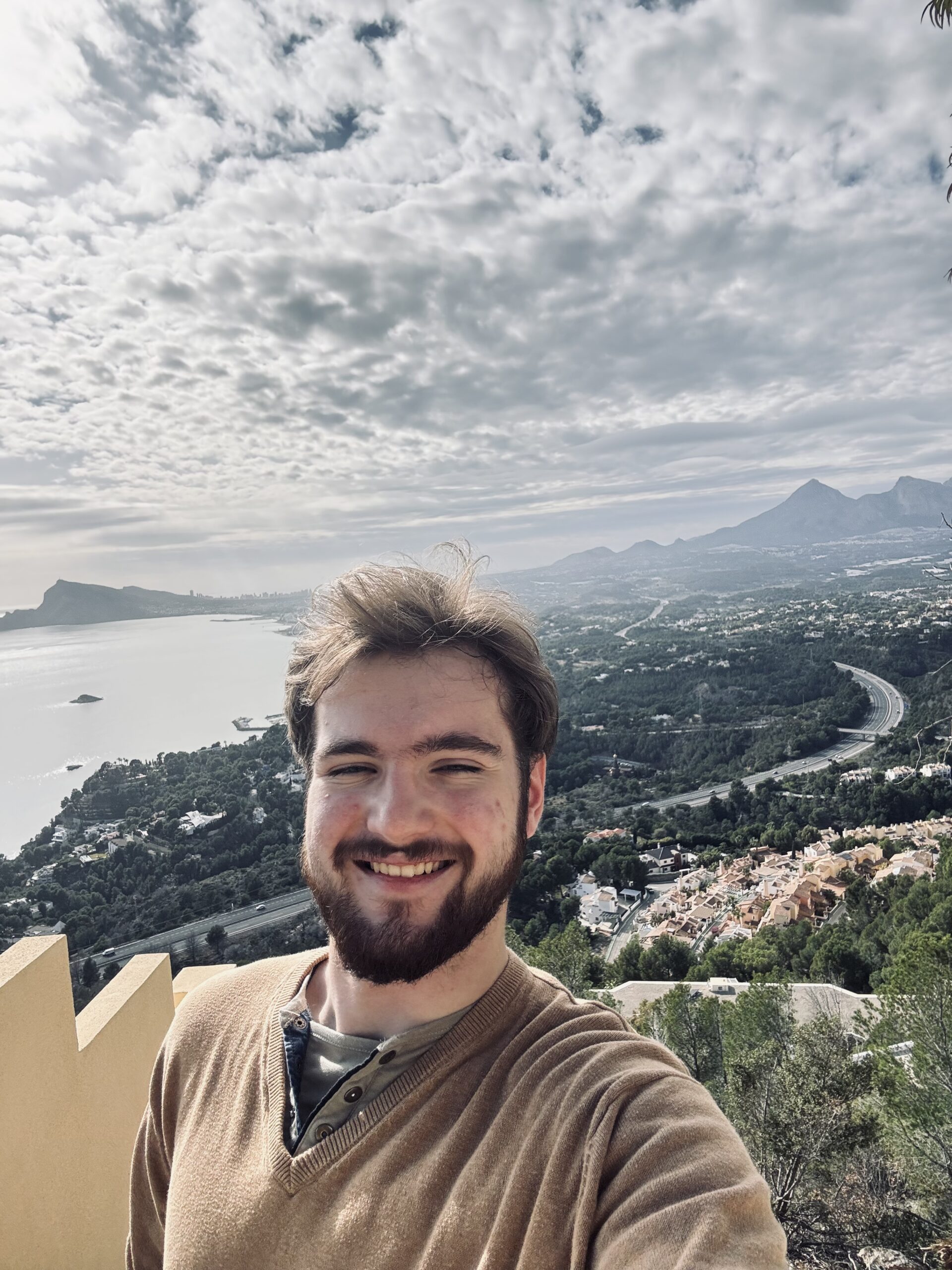
And then there’s me. I say “I’m done” very rarely. Unlike my two friends I mentioned, they’ve never heard that phrase from me. My persistence is, in places, unhealthy — definitely obsessive, strongly pronounced, and convincing.
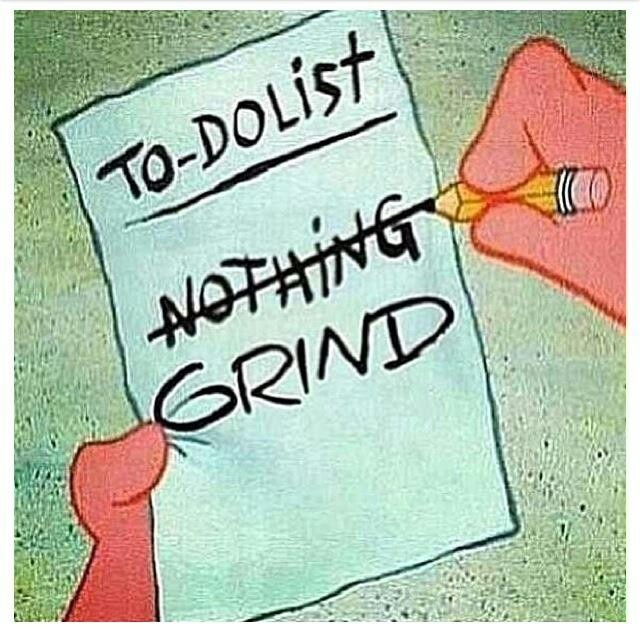
But when I say it, I put myself in an even more challenging situation than previously and find a way to fight the challenge facing it. So “I’m done” for me means “I am weak, I have to do 10 times more work to forget about my weakness.” And this also leads me somewhere. In most cases, it leads me to new results I could not have imagined before.
So: Try to see how you act when you’re over something. What actions does it lead you to? Find your own “I’m done” and, if it creates something meaningful, repeat it. If you’re something like my first friend I mentioned, idk, try to work on it or something 🙂
I’ve been talking about the fact that a “founder” is no more considered as a top 1% performing role in society. Mainly because of the latest changes in the availability of tools for startup development and the hype around specific vectors. But if simply being a founder is not a top 1%, then who?
I’ll give a bit of a background on some of my own self-development:
The first half of my career in marketing, I call it the observing stage. In the first few years of launching an agency, I have worked with several company founders, at different stages, with absolutely different goals, around the world. I also met their co-founders, teams, and consultants. A marketing agency was always a wonderful “data collector” at that time.
I will tell you the only skill that determines everything that happens to the company success or failure: the ability to ask the right questions. Such questions as:
Why am I doing what I’m doing? How is it supposed to impact the world? What am I supposed to do for this?
The last one is the breaking point where we have other scenarios:
A person desperately can’t find answers and keeps everything “as it is”. The company shuts down, business fails. A new successful business is born, the results are unbelievable.
All 3 scenarios are very different from each other and might trigger different emotions. And you’d be right to be confused. When a person actually goes from nonstop execution to deep thinking mode, many things may change. The first question is easier to answer because there is always a typical answer like: I like doing this because I love to… The second is harder because what you “love to” might not anyhow impact others, which is sad, but realistic. And for sure the hardest pill to swallow: what if, in order to do something I love and something that impacts the world, I have to become a totally different person? It changes many things at the time.
I remember when I clearly decided to set startups I believe in as my main compass and commitment point. So I have worked really hard, but the goals I set to myself were so high and ambitious that one day I realized, in order to actually achieve, I have to become an ironman. A top 1% performing human.
What I did next to become an ironman:
First of all, I had to make a full commitment.
Set very clear, ambitious but realistic goals. Asked myself 100 times the same questions: why I am doing what I’m doing, how it impacts the world, what I am supposed to do. And all my goals were aligned to this. And no way back.
I woke up every day at 6 in the morning and considered every 15 hours of the day I am getting as the time that I can spend to change my life absolutely. Living like there is no tomorrow. Like you have only the next 15 hours. This influences productivity as nothing else does.
I thought about all my weaknesses, stress, passions, bad habits and diseases, and any external factors that are controlling me, and turned it into an opposite way. Now I was controlling my emotions, needs, and passions. Hunger, sleep, stress. I could control it the way I wanted to and set my own protocol.
I got rid of conversations and relationships with people that somehow influenced me in a bad or meaningless way. No more friends with no thirst for building an impact, no people with lack of collaboration skills. I abstracted myself from thoughts of serving my personal life. No romantic relationship or anything that is triggering stress and controls my realistic view.
Since then I have felt like a different person. Not stopping with a hunger to continue practicing it. My health, business results, environment – everything changed.
You know I like to summarize, so:
Top 1% is someone who is able to fully commit to something to achieve. It is someone who is able to bring senses to other’s people lives by changing their own.
To become an Ironman, you have to change your mentality even if it feels like a hard thing to do. Or just face the fact that you’ll be in the noise and accept it.
Don’t try to build yourself another cash-cow without a view on how you will build game-changing products that will impact the world.
And also, changing the way you commit is not the only thing to do in order to become an ironman founder. There are other, not obvious things to consider, that you can spot only after going through irreplaceable life and business experiences that I am talking about in my blog.
Glad to welcome both skeptics who can’t stand rose-colored glasses startup founders, and ambitious freshmen who close their ears in meetings with those anti-open-minded people.
So if we look at the trend of how things used to work previously, we can clearly see that opportunists were always this sweet, fast, reliable at least for the first year of organic traction for any startup. But it always ends up with bad retention metrics, skeptics will say. They’ll say that the product has to attract those who are at least further from the “opportunist” mindset but more close to a “regular” type of guy willing to test, squeeze, and validate the actual value of the product for years.
Who are the best early adopters? Let’s guess… Bingo! It’s founders!
So now I will drop some unpopular opinion: even the most realistic-seeking skeptics will have to align with the opportunists segment the founders. Why? Because everybody becomes one.
As Matt Shummer’s essay is viral, I don’t want to sound like the one hyping it up. But recently I have created a website in 10 minutes. Actually, a good one. I also made AI deploy all required functions for me, and it does it well. Too good. So analyzing the trend, yes, AI will replace those who’ve been taking most of our time for creative work and coding. Running a marketing agency for several years, I used to hire a bunch of designers, web developers, specialized external consultants. And you know what? If I ran a marketing agency again now, I would not need as many now.
So what does it tell us exactly?
Everyone can consider himself a founder, someone who is creative enough to come up with something that impacts the world. Good or bad – doesn’t matter. What matters is any portion of an impact. The trend of society clearly tells everyone else: if you are not aligning with this, you are not impacting anything.
Just to summarize some conclusions:
Most of the new startups launching will target the segment of founders, no matter what the product is.
Creativity is easy to replace, same as skeptics.
What should you do? Become the best of the bests in shaping the right founders. If before, founders were considered top 1% performing people in society, now a new top 1% has to be born a generation of founders who are outperforming the noise. Thrilled to talk about the new top 1% asap. See ya!
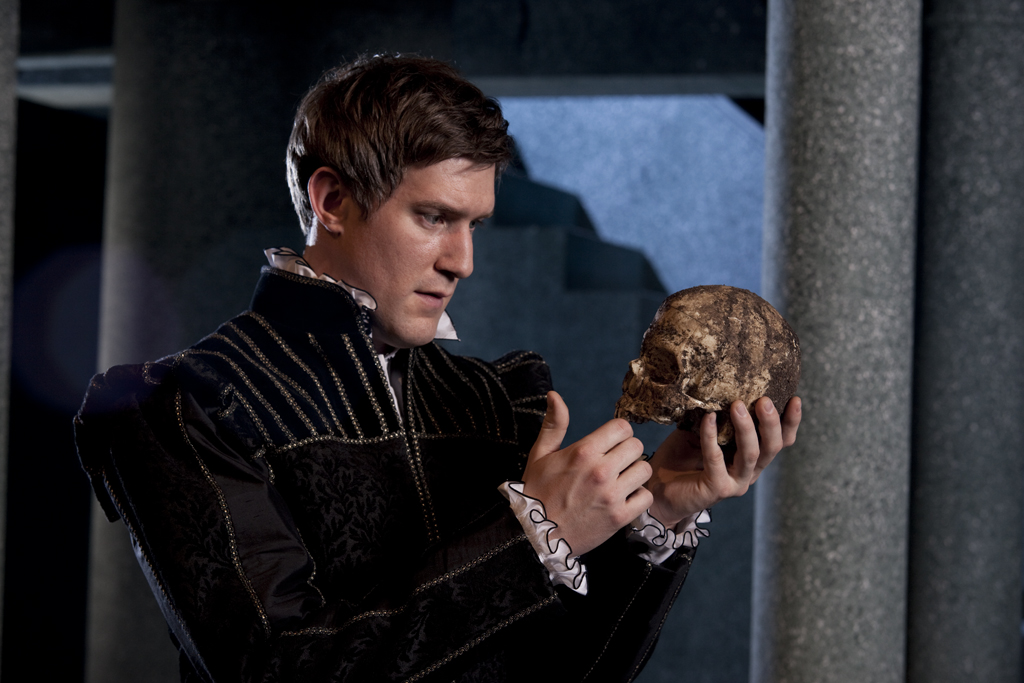
Artists are truly innovators. This might sound strange, but I see the tech founder mindset and an artist somewhere in the same category. Innovation is the key.
Music, by the way, works in exactly the same way as design.
If you treat music purely as a key tool for focus, while forgetting the message that should be embedded in every one of its aspects, you’ll keep ending up in the same place: needing “inspiration” from music itself as a thing, in and of itself.
It’s like a designer who’s desperately trying to reproduce someone else’s vision without understanding how the business owner’s audience thinks and then, to his surprise, he watches that same inexperienced owner, with absolutely no design skill, create the exact product he wanted. The same goes for an artist: if he looks for inspiration in music rather than in interaction with his audience segment, he’ll live with constant dissatisfaction and a sense of unfairness when he sees the results of those who did build that interaction.
An 808 that hits the already overcharged nerves of a cocky, ambitious bully, and a bass guitar that creates a feeling of floating for a melancholic person who’s partially figured life out these things aren’t that far apart. But in reality, “genius” in using one sample or another depends less on pure technical skill (which seems to have no limit) and more on the ability to live the path of that tense bully, or to temporarily seek the flight of an experienced melancholic surrounding yourself with that same segment and being able to understand them 100%.
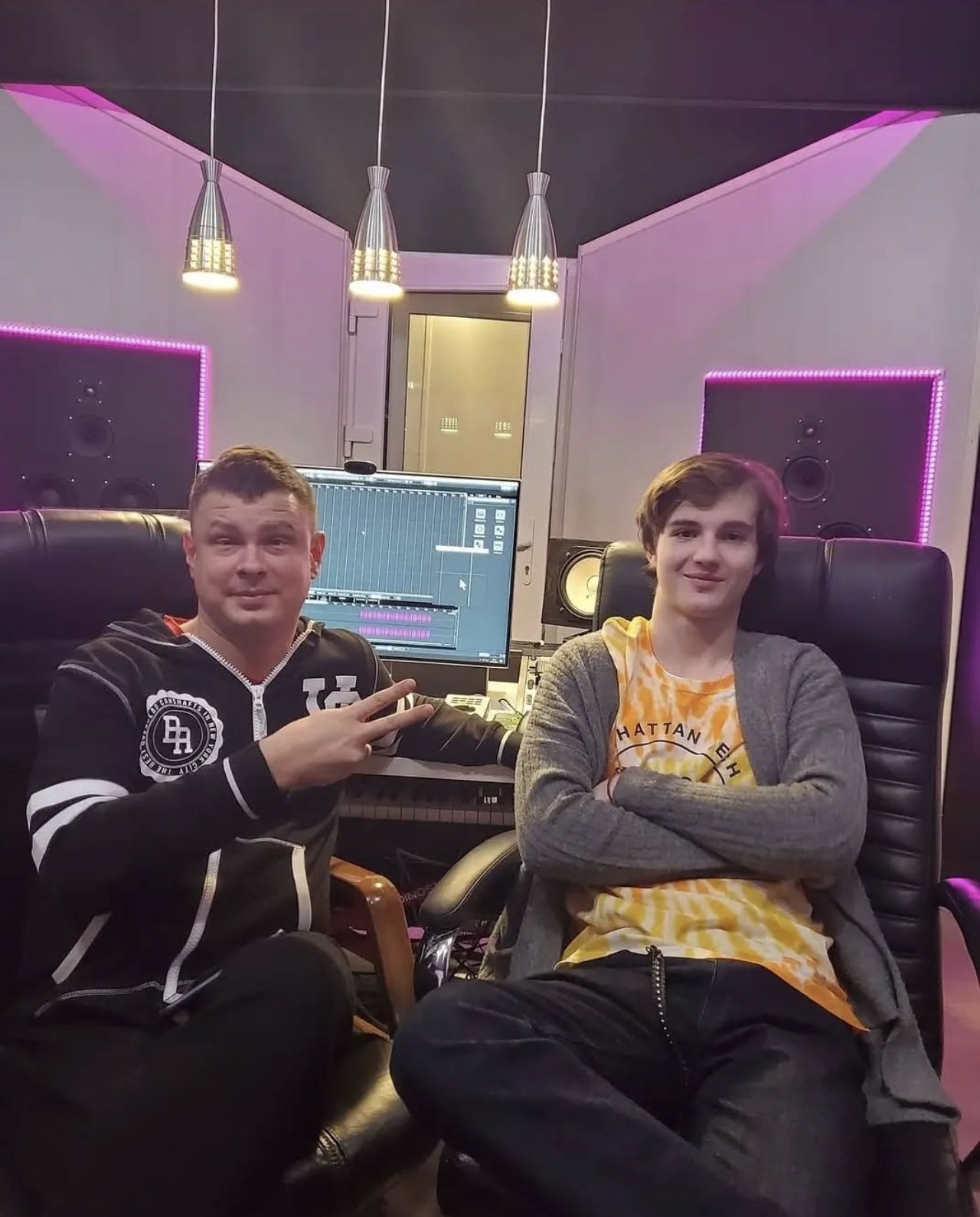
What does this guy has to do with it
Teenage life was all about mixing tunes
Before marketing, the first industry I was introduced to was show business. Mainly because my mother was organizing events, selling songs, and producing artists. When I learned about the variety of songs out there, I learned how to play guitar and piano, and after that I mastered sound production skills to produce songs the way I see them, from scratch. Because I had an opportunity to see different perspectives of artists, sell them songs, and produce their brands, I was able to truly feel the innovation process—when you are making something from nothing.
I don’t think about steps for creating a song. I don’t think about a strategy for promoting it yet. I’m simply inside a process that can’t be predicted, but can be felt. In no other area of my life have I ever felt so deeply “in the process” at that time, the way I did with music. Later in marketing, I was taught to spot every action, every word, every behavioral pattern. Learn about their desires and fears. Predict things in advance. But in music, there’s only an unpredictable process that depends on my ability to forget what comes after. So why not implement it in marketing or building companies?
So if you don’t get that feeling in whatever you are working on something you’re doing might not be so innovative. This is what I have learned and implemented as a tactic in everything I work on, what I think will influence the world.
So yeah, fulfill your life with rich experiences to innovate, and… See ya!
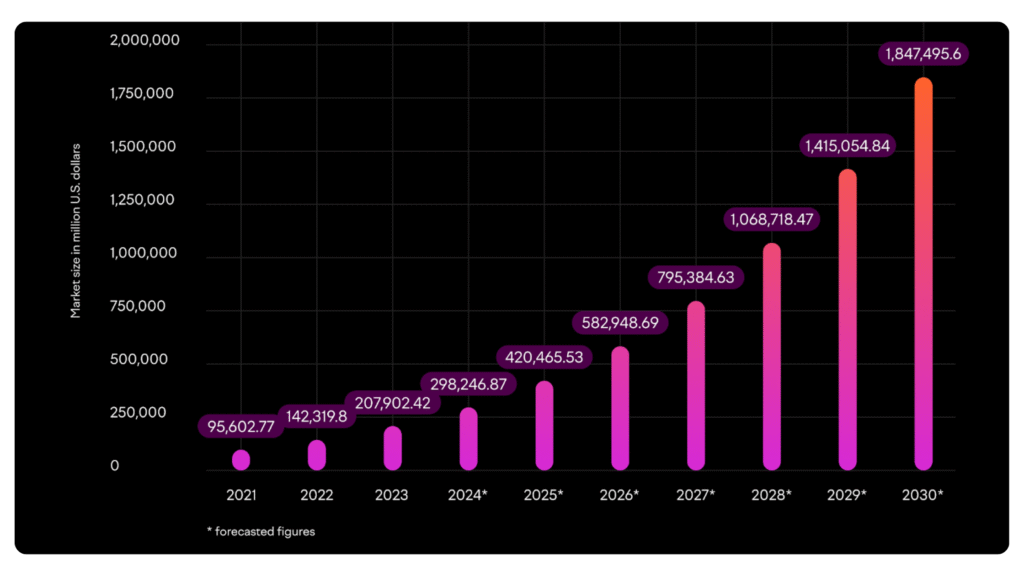
Last year was marked by a wave of AI innovations and game-changing startups, spanning industries from sales to healthcare. The era of marketplaces has only just begun - and it continues to grow rapidly.
For many sellers, launching on marketplaces has become a smarter choice than trying to establish a separate brand from scratch. It requires lower development costs, carries fewer risks, and provides an opportunity to test products before investing in a stand-alone brand.
Challenges
But several major problems have started to emerge in the market.
99% of new sellers abandon their businesses within the first year, most often due to burnout.
Many entrepreneurs fail even before starting, unable to clearly define their niche - making the process even more challenging.
The internet is overflowing with information, but instead of helping, it often confuses founders and slows down their progress.
Fees and commissions on major marketplaces remain extremely high, making it difficult for vendors to maintain profit margins.
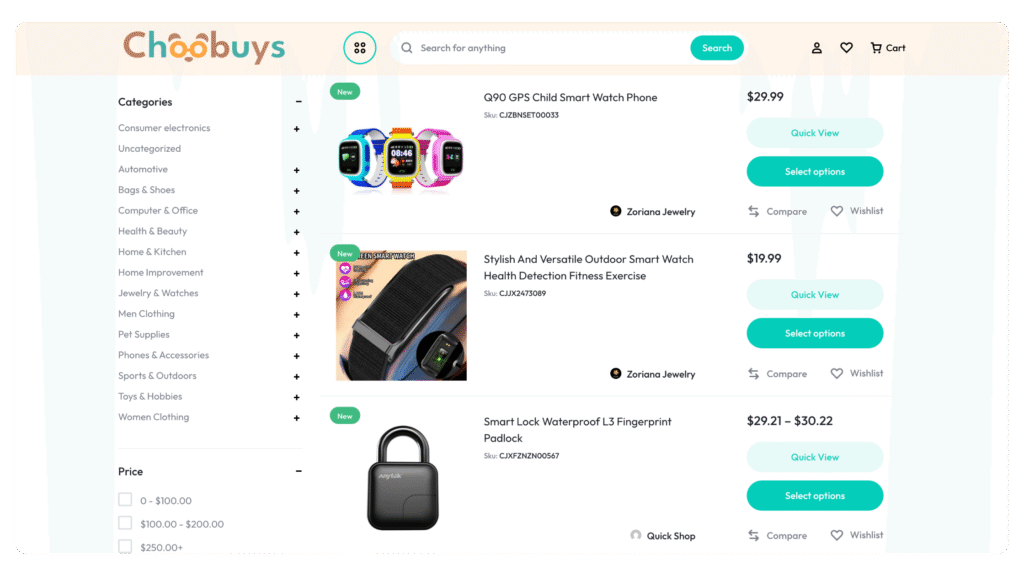
We have spent over five years and more than eight million dollars in advertising budgets to understand not only how e-commerce businesses operate, but also what sellers truly need,” they explain. “What they are missing, what keeps them from reaching success, and what kind of platform would be ideal for them. That is why we created Choobuys – a marketplace that unites the needs of sellers and customers in one place.”
LinkedIn claims that less than 5% of its accounts are fake, but somehow real professionals are the ones getting flagged. According to an internal Microsoft transparency report from 2024:
“LinkedIn took action on over 60 million accounts in one quarter – 90% of which were removed before any user activity.”
What that really means: The net is wide. Too wide. And it’s catching real people.
Loosing on LinkedIn
My journey on LinkedIn started, like many others, with selling services through an agency. Cold messages, case studies, hustle.
But over time, something shifted. I started building real relationships with founders, investors, creators. I found partners, raised capital, started new projects. LinkedIn became more than a platform. It became infrastructure for building. And now? That infrastructure is crumbling.
It’s become afraid of its own growth. Afraid of automation, bold communication, and anything that doesn’t fit their quiet corporate mold. Ironically, it’s the most active, most valuable, and most entrepreneurial users being punished. And when you try to appeal? You get: